Elastomeric coating on Riverside stucco

A hollow tap and a faint blister on a south wall usually mean water got behind a coating that could not let it out. Every teardown that exterior painting riverside cowboy santas has logged shows the same thing about elastomeric coatings: they fail at edges, penetrations and unsealed cracks, rarely across the open wall. For stucco in Riverside, CA, the product is useful, but it is not the right answer on every house.
What elastomeric coating is
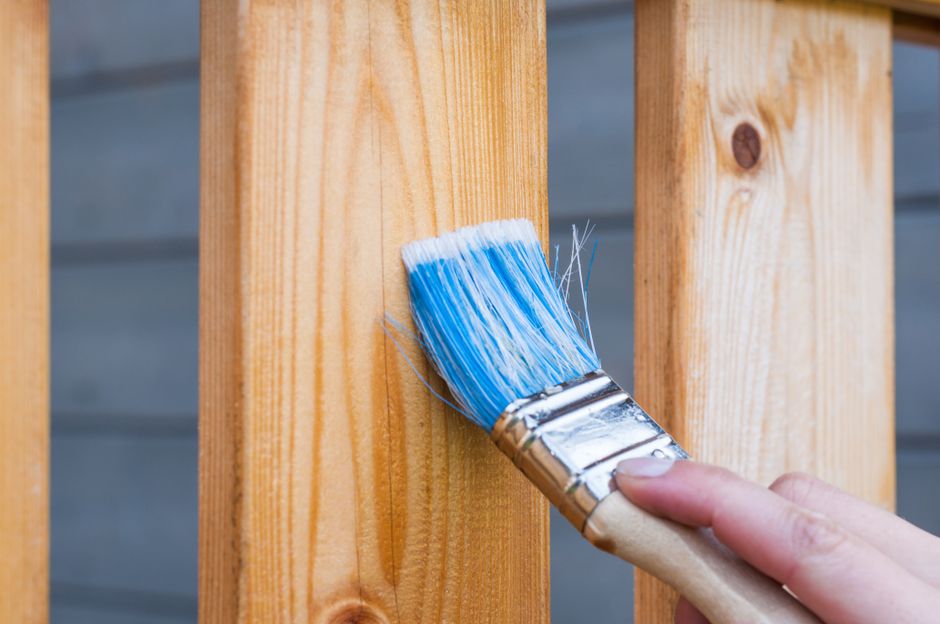
Elastomeric is a thick, rubbery acrylic coating that stretches over small movement. Where ordinary latex paint cracks along with the wall, an elastomeric film bridges a hairline and stays closed. It goes on at a much heavier mil thickness than normal paint, often applied by airless sprayer and then back rolled with a heavy nap roller to push it into the stucco texture.
Where it helps
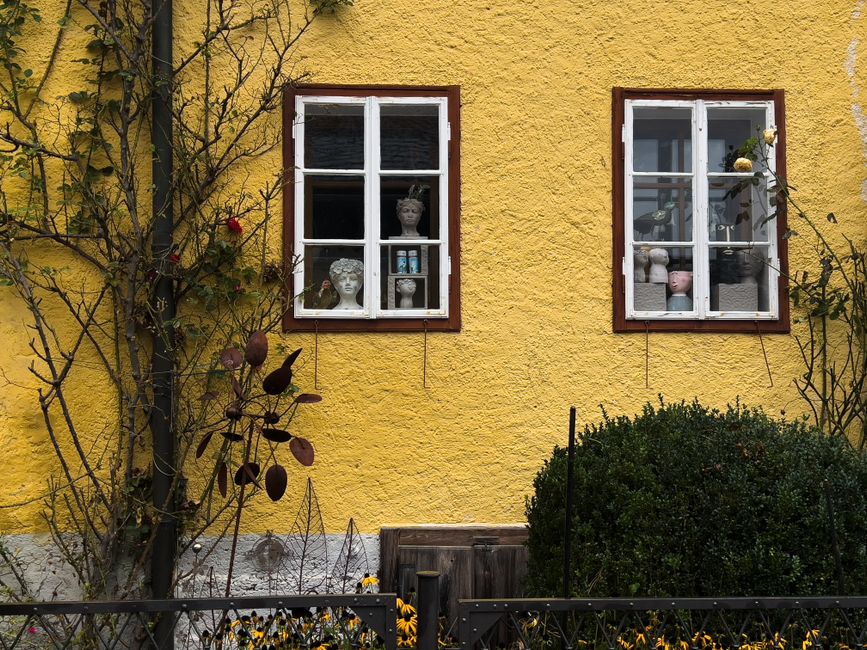
Stucco with a network of fine hairline cracks, the kind that opens each summer and closes each winter, is the natural candidate. Walls that have been patched many times and still show map cracking also benefit. The thick film shuts out wind driven dust and water, so older homes near the Santa Ana River or on hillsides near Mount Rubidoux that have seen decades of repainting can get a smoother, sealed surface.
The breathability tradeoff
A thick film holds moisture in as well as out. Stucco absorbs water from the ground, from sprinklers and from the occasional heavy storm, and that water has to leave through the surface. When an elastomeric coating blocks the exit, the moisture pushes the coating off in bubbles, and efflorescence salts can lift it from below. Sprinkler overspray on lower walls is a frequent cause, so those walls should be checked before anything thick goes on.
Prep still decides everything
Elastomeric does not rescue a dirty or crumbling wall. The surface needs washing, loose paint scraped back, cracks opened and caulked, and a masonry primer where the stucco is bare or powdery. Two coats are the normal system, with the first sealing and the second building thickness. Skipping the primer on bare stucco is the most common reason a heavy coating peels in sheets.
When standard exterior paint is the better choice
A sound wall with only a few hairlines does not need a thick film. Two coats of a good acrylic topcoat after patching give a breathable finish, easier touch ups and a cleaner look. Once elastomeric is on a wall, future repaints should stay in that family, because switching later means removing a coating that was built to resist removal.