Why exterior paint fades and chalks in Riverside sun
Rubbing one wall by hand takes ten seconds, and it says more than an hour of squinting from the street. Across the Inland Empire the sun does the slow damage to exterior paint, and the repaint intervals that exterior painting riverside cowboy santas uses are shorter than a can label suggests, especially on south and west walls. For a painter working in Riverside, CA, fading and chalking are the first signs that the binder in the coating is giving out.
What chalking is
Ultraviolet light breaks down the resin that holds pigment in a film. Once enough resin is gone, loose pigment powder sits on the surface, and that powder is chalk. A fading wall has usually started to chalk already, because color loss and binder loss happen together. Dark colors and reds show it fastest, while pale walls can chalk heavily and look only a little tired.
The hand rub test
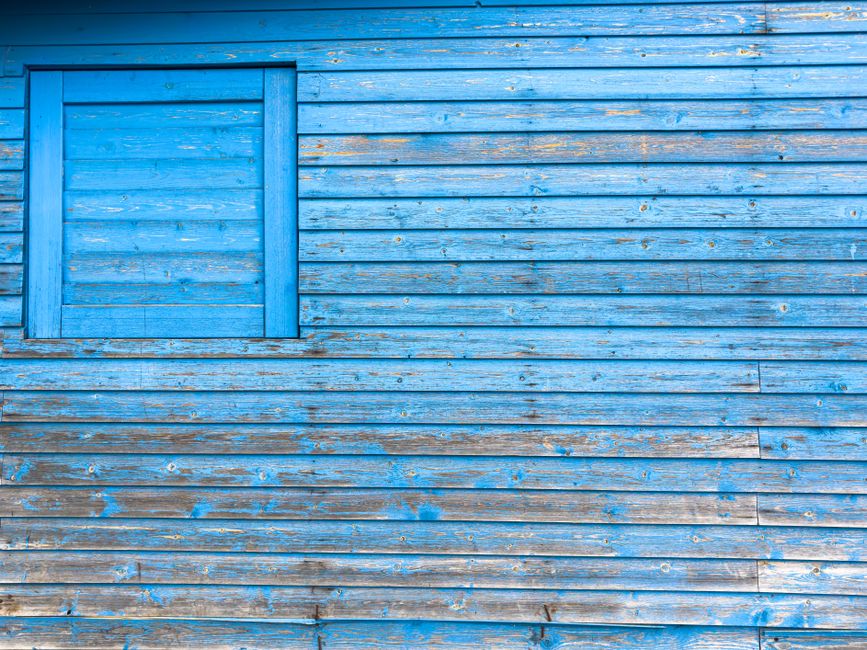
Wipe a dry palm firmly across the paint in a spot that gets full sun. If a colored residue comes away on the skin, the wall is chalking. A little residue is normal on a ten year old wall. A heavy smear that coats the hand, or a clear line on a dark cloth, means the surface is a layer of powder with paint underneath. Test the south and west sides separately from the shaded north wall, since the difference between them shows how fast the sun is working.
Why chalk matters for the next coat
New paint cannot grip a layer of loose powder. It bonds to the chalk, and the chalk lets go of the wall. The first rain, or a strong gust of dry wind, begins lifting sheets of the new coat. A heavily chalked wall needs washing and brushing until the powder is gone, then a bonding primer that soaks into whatever remains before the topcoat goes on.
Fading without chalk
Some walls fade evenly but pass the rub test. That is a pigment problem, not a binder problem, and a fresh coat of good acrylic can go on after normal cleaning and a light scuff sand on any glossy areas. Low sheen finishes such as flat or satin hide fading better than semi gloss, which shows every uneven patch of chalk and wash line.
Choosing the next coating for strong sun
Higher resin content and good pigment hold up longer, and lighter colors reflect heat and fade more slowly. Walls that face the Box Springs Mountains at sunrise and the afternoon glare of the west both benefit from two coats at proper mil thickness, since a thin single coat chalks within a few summers. The label gives a spread rate per gallon, and honoring that coverage number matters more than the brand on the lid.